How Strength Training Supports Healthy Aging at Every Stage of Life
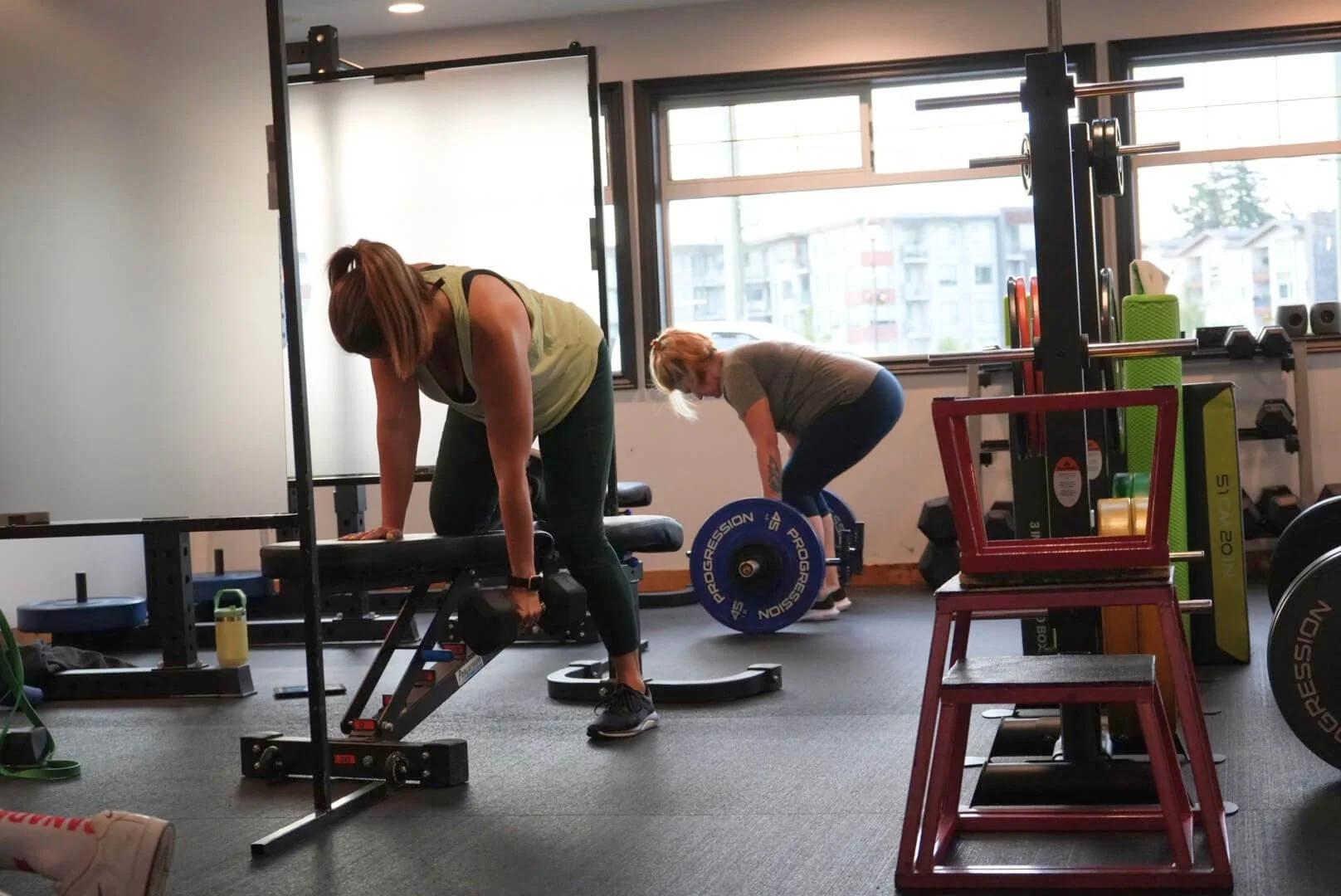
Healthy aging isn't simply about living longer, it's about maintaining the strength, mobility, and confidence to continue doing the things you enjoy.
From keeping up with your kids in your 30s and 40s to travelling, gardening, hiking, golfing, and staying independent later in life, physical strength plays an important role at every stage.
As we age, changes in muscle mass, bone density, balance, and mobility can gradually affect how we move and feel. The good news is that staying active can make a meaningful difference. Strength training for healthy aging helps maintain muscle, support strong bones and joints, improve balance, and preserve the physical abilities we rely on every day.
And you don't have to wait until you're an older adult to start. Building and maintaining strength earlier in life can create a strong foundation for the decades ahead.
What Happens to Strength and Muscle as We Age?
Changes in muscle mass are a normal part of aging. Without regular resistance exercise, adults can gradually lose muscle and strength over time, which can eventually make everyday activities more challenging.
It's not just about how much muscle you have, either. Strength affects your ability to climb stairs, get up from the floor, carry groceries, lift objects around the house, maintain balance, and participate in recreational activities.
This is why healthy aging should be something we think about throughout adulthood rather than waiting until our 60s or 70s.
Regular strength training gives the body a reason to maintain and build muscle. Combined with good nutrition, recovery, and an active lifestyle, it can help preserve physical capacity as you age.
For a deeper look at the overall benefits, read The Importance of Strength Training for Long-Term Health and Injury Prevention
Strength Training in Your 30s and 40s: Build the Foundation
Healthy aging may not be top of mind in your 30s or 40s, but this is an excellent time to invest in your future physical health.
Careers, raising children, household responsibilities, and busy schedules can make exercise difficult to prioritize. However, maintaining muscle and developing good movement habits now can create a stronger foundation for later decades.
Strength training during this stage can help you improve functional strength, maintain mobility, support bone health, and stay physically prepared for everything from playing with your kids to hiking, recreational sports, and working around the house.
It also doesn't require spending hours in a gym. A structured program completed consistently can help you make meaningful progress while still fitting exercise into a busy lifestyle.
Strength Training in Your 50s and 60s: Maintain Strength and Mobility
As you move through your 50s and 60s, maintaining muscle becomes increasingly important.
This is a stage when many people begin noticing that activities that once felt effortless require a little more work. Recovery may take longer, stiffness can become more noticeable, and maintaining strength requires greater intention.
A well-designed strength training program can help support muscle mass, bone health, joint stability, balance, and mobility.
The goal isn't necessarily to train the same way you did when you were 25. Your workouts should adapt with you.
That might mean placing greater emphasis on controlled movements, mobility, balance, recovery, and exercises that translate directly into everyday activities. You can learn more about incorporating movement quality into your workouts in The Importance of Mobility in Your Fitness Routine: How Summit Fitness Makes It Easy.
Strength Training in Your 70s and Beyond: Support Independence
Strength training continues to be valuable later in life.
For older adults, maintaining physical strength can directly support independence and quality of life. Everyday movements such as getting out of a chair, carrying groceries, climbing stairs, reaching overhead, and maintaining balance all depend on muscular strength and coordination.
A program designed appropriately for older adults can focus on movements that support daily function without requiring intimidating exercises or extremely heavy weights.
Strength training for older adults may help improve balance, stability, mobility, and confidence with everyday movement. Maintaining these abilities can make it easier to continue participating in hobbies, travelling, spending time outdoors, and staying engaged in the activities that make life enjoyable.
Most importantly, it's never about comparing your abilities with someone else's. Effective training meets you where you are and progresses from there.
The Benefits of Strength Training for Healthy Aging
While building muscle is an important benefit, strength training for healthy aging supports much more than muscle size.
Regular resistance exercise can contribute to:
Maintaining muscle and functional strength
Supporting bone density and joint health
Improving balance, stability, and coordination
Maintaining mobility and everyday movement
Supporting metabolic health and body composition
Increasing confidence with physical activities
These benefits work together. Stronger legs can support better balance. Improved core strength can help with stability. Better mobility can allow you to use your strength more effectively.
The ultimate goal is building a body that's capable of supporting the life you want to live.
Functional Strength Helps You Keep Doing What You Love
One of the most useful ways to think about strength training is to ask: What do I want my body to be able to do?
Maybe you want to keep golfing comfortably. Perhaps you'd like to travel without worrying about carrying luggage or walking all day. You might want to garden, hike local trails, play with your grandchildren, or simply continue managing everyday tasks independently.
That's where functional strength becomes particularly important.
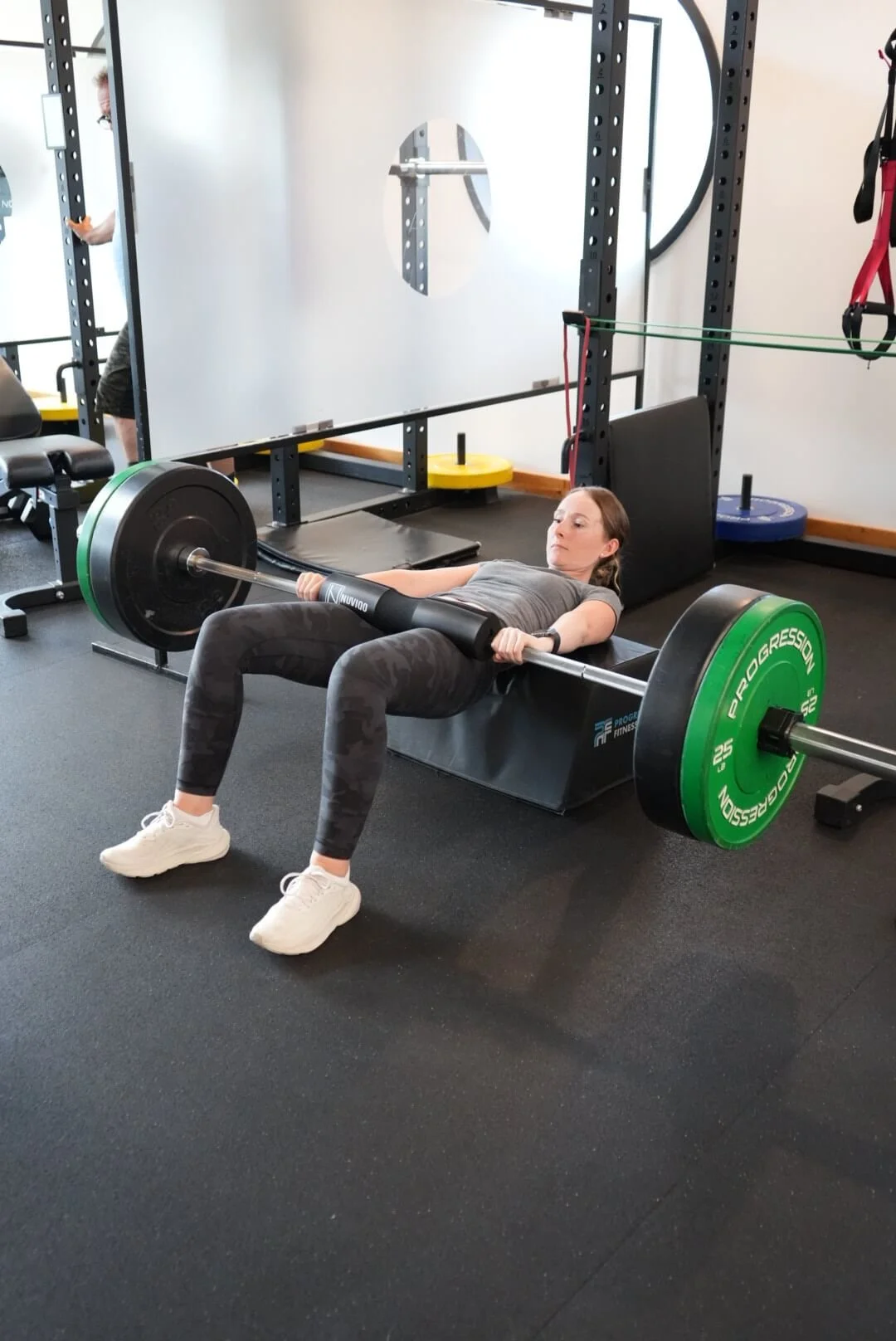
Exercises such as squats, carries, pushes, pulls, and step-ups aren't only gym movements. They develop movement patterns that show up throughout everyday life.
Strength training can therefore become less about what you can lift in the gym and more about what your training allows you to do outside of it.
What If You've Never Strength Trained Before?
You don't need decades of gym experience to benefit from strength training.
Beginners can start with simple movements and appropriate resistance while learning proper technique. The amount of weight used matters far less initially than developing good movement patterns and gradually progressing.
This is also where personalized programming can be valuable. Your age alone doesn't determine which exercises are appropriate. Previous injuries, mobility, current strength, medical considerations, experience, and individual goals all influence how a program should be designed.
If you're new to resistance exercise, The Science Behind Strength Training: Building Muscle and Boosting Metabolism provides a helpful introduction to how strength training works.
Healthy Aging Requires Mobility, Balance, and Recovery Too
Strength is important, but a well-rounded approach to healthy aging includes more than lifting weights.
Mobility helps you actively move your joints through useful ranges of motion. Balance and coordination help you move confidently. Recovery gives your muscles and body time to adapt between workouts.
Together, these elements support better movement and help make strength useful in everyday situations.
Recovery can also become increasingly important as we age. More isn't always better. An effective program should provide enough challenge to encourage progress while still allowing adequate time for recovery.
How Summit Fitness Supports Strength at Every Stage
There's no universal workout that's appropriate for every 35-year-old, 55-year-old, or 75-year-old. That's why Summit Fitness focuses on individualized programming.
Personalized Programs That Adapt With You
Summit Fitness trainers develop programs around your current abilities, goals, movement patterns, and experience.
As you become stronger, your program can progress with you. If something changes—whether that's an injury, a new goal, or simply how your body is feeling—your training can be adjusted accordingly.
This approach allows you to focus on meaningful progress rather than trying to keep up with a generic workout.
Private Workout Pods and Expert Support
Traditional gyms can feel intimidating, particularly if you're new to strength training or returning after years away.
Summit's private workout pods provide a dedicated space where you can focus on your own program without navigating a crowded gym floor or waiting for equipment.
You still have access to coaching and guidance, helping you learn proper technique, progress safely, and feel more confident in your training.
Frequently Asked Questions About Strength Training and Aging
-
Age alone doesn't mean it's too late to become stronger. Strength training can be adapted for different fitness levels and stages of life. If you have an injury, medical condition, or significant health concern, speak with an appropriate healthcare professional before beginning a new exercise program.
-
The appropriate frequency depends on factors such as experience, health, recovery, and individual goals. For many adults, a few well-structured strength sessions each week can provide a sustainable foundation, with adequate recovery between sessions.
-
No. Maintaining muscle is important, but strength training also supports balance, bone health, joint stability, mobility, everyday function, and confidence with physical activity.
Build Strength for the Life Ahead
Healthy aging doesn't begin at a particular birthday.
The strength you develop and maintain today can support what you're able to do tomorrow, whether that's hiking in your 40s, travelling in your 60s, gardening in your 70s, or continuing to live independently as you get older.
At Summit Fitness in Langford, BC, personalized programming and expert coaching make it possible to build strength at a pace that reflects your abilities and goals.
Book a free consultation today and discover how strength training can help you stay strong, active, and confident through every stage of life.