Strength training or cardio—which one should you prioritize?
It's one of the most common questions in fitness, and the answer isn't as simple as choosing one over the other.
Strength training and cardiovascular exercise provide different benefits, and both can play an important role in supporting your long-term health. Cardio helps build cardiovascular endurance and supports heart health, while strength training helps maintain muscle, bone strength, mobility, and functional ability.
Rather than asking which type of exercise is "better," it can be more useful to understand what each does for your body, and how they can work together.
At Summit Fitness in Langford, BC, we believe your exercise routine should reflect your goals, abilities, and lifestyle rather than forcing you into a one-size-fits-all approach.

What Is the Difference Between Strength Training and Cardio?
The biggest difference comes down to what each type of exercise primarily challenges.
Cardiovascular exercise, or cardio, includes activities that elevate your heart rate for a sustained period. Walking, running, cycling, swimming, hiking, and rowing are common examples.
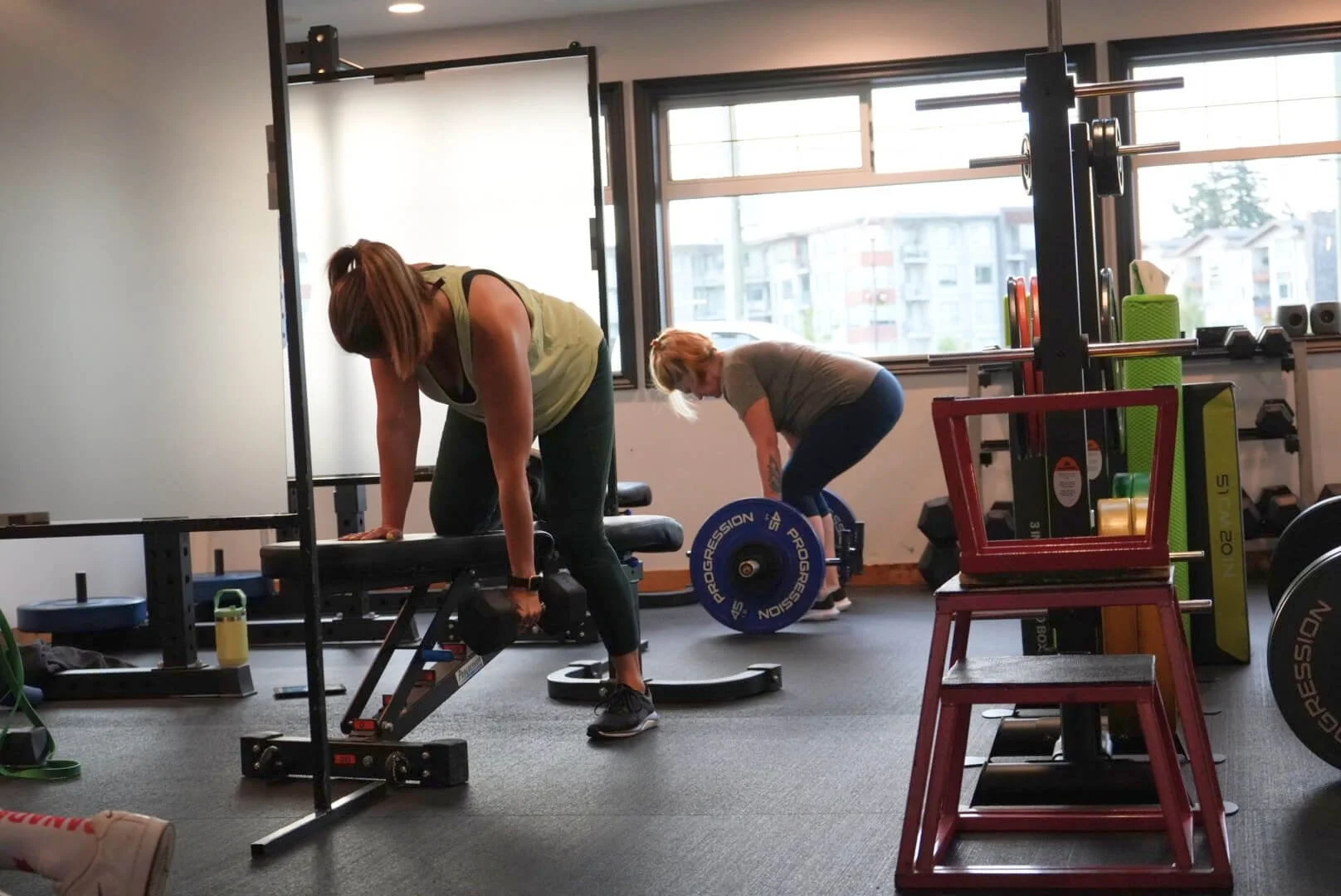
Strength training, also called resistance training, challenges your muscles against resistance. That resistance could come from dumbbells, barbells, machines, resistance bands, or your own body weight.
While there's some overlap between the two, they create different adaptations in the body.
Cardio primarily challenges your cardiovascular and respiratory systems, helping your heart and lungs become more efficient at supplying oxygen during activity. Strength training primarily challenges your muscles and supporting tissues, encouraging your body to maintain or build strength.
Both matter when you're thinking about exercise for long-term health.
What Are the Long-Term Benefits of Strength Training?
Strength training is about much more than building bigger muscles.
Regular resistance training can help maintain muscle mass, support bone health, improve balance and stability, and make everyday movements easier.
These benefits become particularly important as we age. Without regular resistance exercise, muscle mass and strength can gradually decline over time. Maintaining strength can help you continue doing everything from carrying groceries and climbing stairs to gardening, travelling, hiking, and participating in recreational activities.
Strength training also supports functional movement. Exercises such as squats, carries, presses, and rows develop strength in movement patterns you use outside the gym.
We've explored this in more detail in our guide to strength training for long-term health and injury prevention.
What Are the Long-Term Benefits of Cardio?
Cardio provides its own set of important benefits.
Regular cardiovascular activity helps strengthen the heart and improve cardiovascular fitness. It can also support endurance, metabolic health, sleep, mood, and your ability to stay active for longer periods.
And cardio doesn't have to mean endlessly running on a treadmill.
At Summit, we use a multitude of different machines and interval protocols to optimize results while making things fun!
Improving endurance can also make everyday activities easier. Whether you're walking around a new city on vacation, spending the afternoon hiking, playing with your kids, or working in the yard, cardiovascular fitness helps your body sustain activity for longer.
If you enjoy spending your free time outside, our article on how strength and endurance workouts can support outdoor activities explains how the two can complement each other.
Strength Training vs. Cardio for Healthy Aging
When considering strength training vs. cardio for healthy aging, both have something valuable to offer.
Cardio supports cardiovascular health and endurance, while strength training helps preserve muscle, strength, balance, and physical function.
That combination matters because healthy aging isn't simply about avoiding illness. It's also about maintaining the physical capacity to continue participating in everyday life.
Imagine being able to hike comfortably, carry your own luggage while travelling, get down on the floor and back up again, work in the garden, or keep participating in your favourite recreational activities as you get older.
Cardiovascular endurance helps you keep going. Strength helps you physically perform the movements.
For more on this topic, read How Strength Training Supports Healthy Aging at Every Stage of Life.
What About Strength Training vs. Cardio for Weight Management?
This is another area where cardio and strength training are often unnecessarily placed in competition.
Cardiovascular exercise uses energy while you're active, as well as post workout depending on the intensity, and can be a useful part of increasing overall physical activity and calorie expenditure. Strength training helps maintain and build muscle, which is important for body composition and metabolic health.
Neither should be viewed as a shortcut or a standalone solution for weight management. Nutrition, sleep, daily activity, exercise habits, genetics, and many other factors can influence body weight and composition.
If improving your overall health is the goal, a routine that supports strength, cardiovascular fitness, movement, and sustainable habits is a more holistic approach than choosing an exercise solely based on how many calories it might burn.
Do You Need to Do Cardio If You Strength Train?
Strength training can certainly elevate your heart rate, especially during challenging exercises or sessions with shorter rest periods, but that doesn't necessarily replace dedicated cardiovascular activity.
Similarly, going for regular runs or bike rides doesn't provide all of the same benefits as progressively challenging your muscles with resistance.
Cardio makes your body more efficient at producing energy and increases your work capacity, while strength straining gives your body the ability to perform that work with less fatigue and injury.
That's why it doesn't have to be cardio vs. strength training.
Your week might include dedicated strength sessions alongside cardio sessions specific to your goals/fitness level, or other cardiovascular activities you enjoy.
You don't necessarily need complicated workouts or a packed exercise schedule. The right balance depends on your goals, current fitness level, preferences, and how much time you realistically have available.
How Strength and Cardio Work Together for Everyday Life
One of the easiest ways to understand the value of both is to think beyond the gym.
Imagine you're going on a long hike.
Your cardiovascular fitness helps you continue moving up the trail without becoming exhausted too quickly. Your leg and core strength help you climb hills, navigate uneven terrain, and maintain stability.
The same principle applies to many activities:
Gardening: Strength helps with lifting, carrying, squatting, and bending, while endurance helps you keep going.
Travelling: Strength makes luggage and stairs easier to manage, while cardio fitness supports long days of walking.
Recreational sports: Strength contributes to power and stability, while cardiovascular fitness helps you sustain activity.
Playing with your kids or grandkids: Strength helps with lifting and movement, while endurance helps you keep up.
Training both gives your body more tools to handle whatever you ask it to do.
Don't Forget About Mobility
Strength and cardio are important, but they're not the only pieces of a well-rounded fitness routine.
Mobility, the ability to actively move your joints through useful ranges of motion, can influence how comfortably and effectively you perform both strength and cardiovascular activities.
For example, adequate hip and ankle mobility can help with squatting, walking, hiking, and climbing stairs. Shoulder mobility can influence pressing, reaching, and lifting movements.
Combining strength, cardiovascular fitness, and mobility creates a more complete approach to physical health.
Learn more about why mobility belongs in your fitness routine.
How Much Strength Training and Cardio Do You Need?
There isn't one perfect weekly schedule for everyone.
Your ideal routine depends on your goals, fitness level, age, experience, health considerations, activities, and available time.
Someone training for a long-distance running event will naturally emphasize cardiovascular exercise more than someone primarily focused on building strength. Someone preparing for an active retirement may want a combination of strength, balance, mobility, and cardiovascular endurance.
Most importantly, your routine needs to be sustainable.
A balanced program you can consistently follow is far more useful than an overly ambitious schedule you abandon after a few weeks.
What If You Don't Enjoy Traditional Cardio?
Good news: cardio doesn't have to mean spending an hour on a treadmill.
If you dislike traditional cardio workouts, look for activities that naturally get you moving and elevate your heart rate.
Walking, hiking, cycling, swimming, dancing, recreational sports, and active hobbies can all contribute to your overall activity level and cardiovascular fitness.
This is especially useful here on Vancouver Island, where outdoor activities can provide plenty of opportunities to stay active outside structured workouts.
Finding movement you actually enjoy makes it much easier to maintain over the long term.
How Summit Fitness Can Help You Build a Balanced Routine
Knowing that strength and cardio are both beneficial is one thing. Figuring out how to combine them effectively is another.
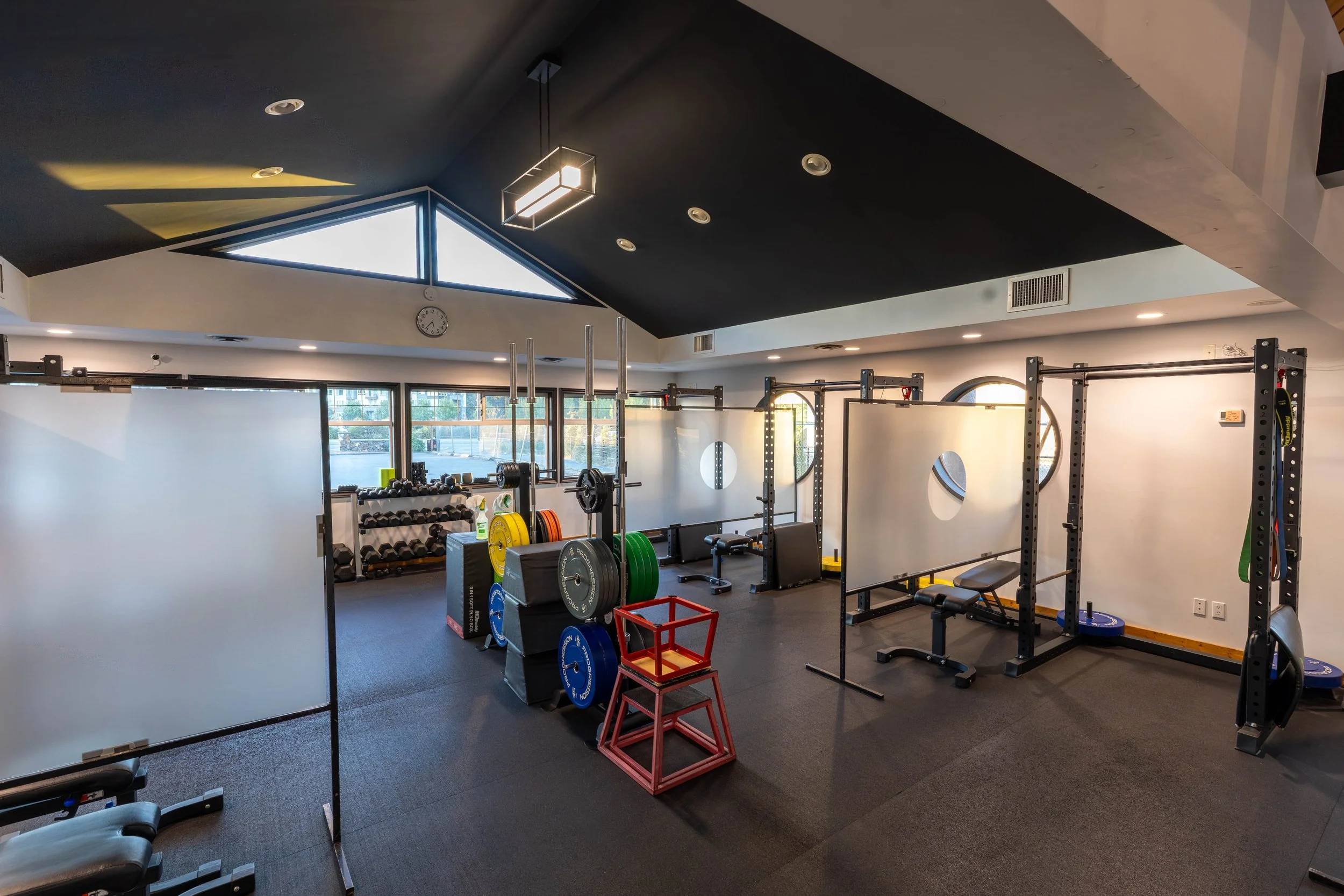
At Summit Fitness, your training program is built around you—your current fitness level, goals, abilities, experience, and lifestyle.
Personalized Strength Training
Instead of following a generic workout, you'll have a structured program designed around what you're trying to accomplish.
Your trainer can adjust exercises, resistance, repetitions, and progression as your strength and abilities improve.
This personalized approach also means your training can evolve as your goals change.
Build Fitness Outside the Gym Too
Your structured workouts don't have to accomplish everything.
Strength training sessions can provide the foundation for becoming stronger, while walks, hikes, bike rides, sports, and other activities outside the gym can help support cardiovascular fitness and an active lifestyle.
That can make your fitness routine feel much more flexible and enjoyable than trying to squeeze every type of exercise into every workout.
Frequently Asked Questions About Strength Training vs. Cardio
-
Yes, depending on your fitness level, goals, workout intensity, and recovery. Some people combine them in the same session, while others schedule strength and cardiovascular activities on different days.
-
Walking is an accessible form of physical activity and can contribute to cardiovascular fitness, particularly when the pace and duration are appropriate for your current fitness level. As your fitness level increases, integrating more challenging modalities will keep your cardiovascular fitness progressing, while also being more time efficient.
Strength Training vs. Cardio: You Don't Have to Choose
So, which is better for long-term health?
Rather than choosing a winner, think about what each brings to your life.
Strength training helps you maintain muscle, bone strength, stability, and the physical ability to perform everyday tasks. Cardio supports your heart, endurance, and ability to stay active for longer periods. Mobility helps you move comfortably through it all.
Together, they can create a well-rounded foundation for staying active throughout your life.
At Summit Fitness in Langford, BC, we create personalized training programs designed around your individual abilities and goals, not a generic idea of what fitness should look like.
Book a free consultation today and discover how a personalized training program can help you build strength, improve your fitness, and stay active for the long term.